

A Taste of Córdoba: Why You Need to Try Salmorejo
A Taste of Córdoba: Why You Need to Try Salmorejo
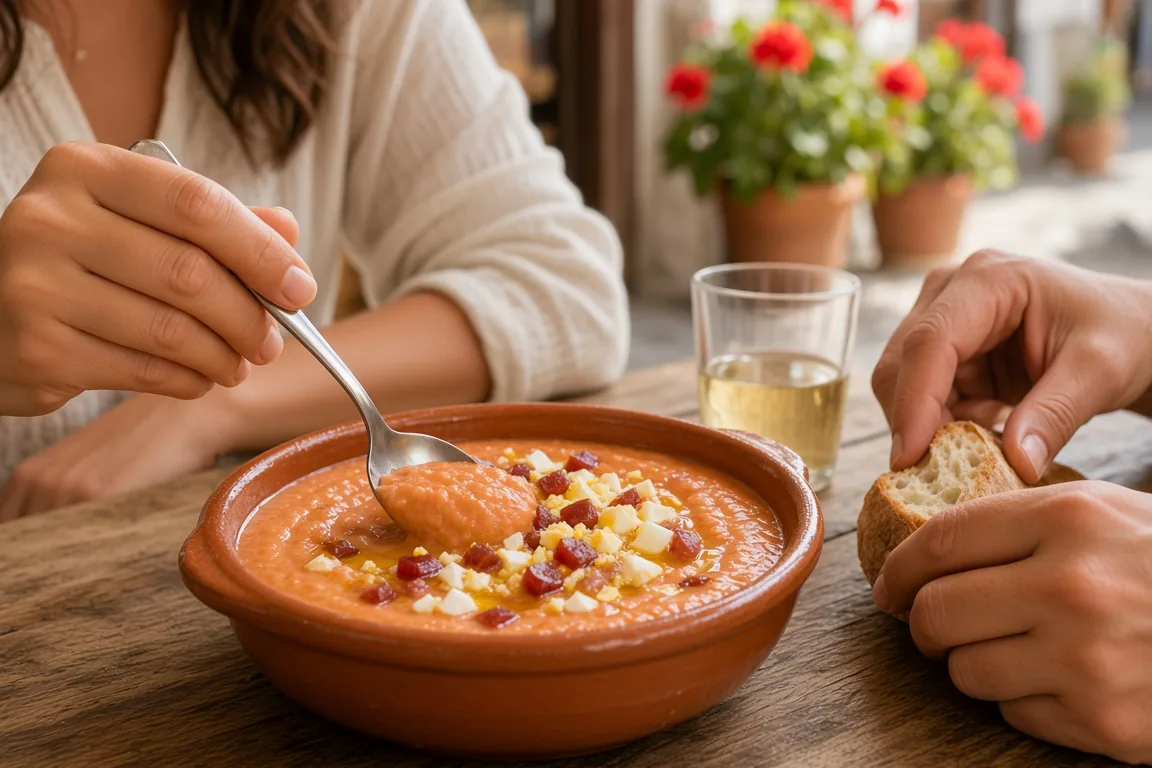
On a warm afternoon in Andalucía, few dishes make more sense than salmorejo.
It comes from Córdoba, and people often compare it to gazpacho. Don’t assume they’re the same thing. Salmorejo is thicker, richer and wonderfully creamy.
A Córdoba classic
Traditional salmorejo takes five ingredients: ripe tomatoes, bread, extra-virgin olive oil, garlic and salt. The traditional recipe has no vinegar at all. As one Córdoba cook told the MICHELIN Guide, vinegar belongs in gazpacho. With all that bread, salmorejo comes out much thicker, too.
Most bowls arrive topped with jamón and chopped hard-boiled egg. Simple ingredients, and somehow the result is incredibly satisfying.
The recipe also tells you who passed through Andalucía. Olive oil came with the Romans and became everyday cooking under Muslim rule. Tomatoes came later, from the Americas. When they caught on in Spain in the 18th century, they turned salmorejo into what Córdoba’s tourism board calls "the champion of the Cordovan recipe book."
Before the tomato, it was most likely a plain mash of soaked bread, garlic and vinegar, the kind of thing ancient Rome called moretum. Spanish food holds on to its history like that. Madrid’s cocido grew out of two medieval stews, one of them a Jewish dish left to simmer for the Sabbath.
From the market to your bowl
Tasting salmorejo is wonderful. Learning to make it can be even better.
Picture a morning in a Córdoba market, finding regional ingredients and tasting the province’s olive oils. Córdoba has four olive oil designations of origin, so there is a lot to compare. Then you make salmorejo yourself, with a local chef beside you.
You come home with more than photographs. You bring back a little piece of your vacation that you can make again in your own kitchen. Valencia works the same way, where you can cook paella with someone who has made it a few thousand times.
Ivone’s travel advisor tip
If food is something you love, take at least one cooking class when you travel internationally.
It’s hands-on, it’s fun, and it’s an easy way to meet people while you learn something about the local culture. And yes, I can build experiences like this into your itinerary.
Let’s create your taste of Spain
Maybe your perfect trip includes Michelin-starred restaurants, neighborhood cafés, food markets, wineries or a hands-on cooking class. Those details matter.
Your vacation should reflect what you enjoy. Let’s curate your Spain journey around you.
Sources
Share this post

 Let’s Start Planning
Let’s Talk About
Your Next Trip
Every great trip starts with a conversation. Tell me what you’re imagining. No pressure. No commitment.