

Beyond Tapas: Discover Cocido Madrileño in Madrid
Beyond Tapas: Discover Cocido Madrileño in Madrid
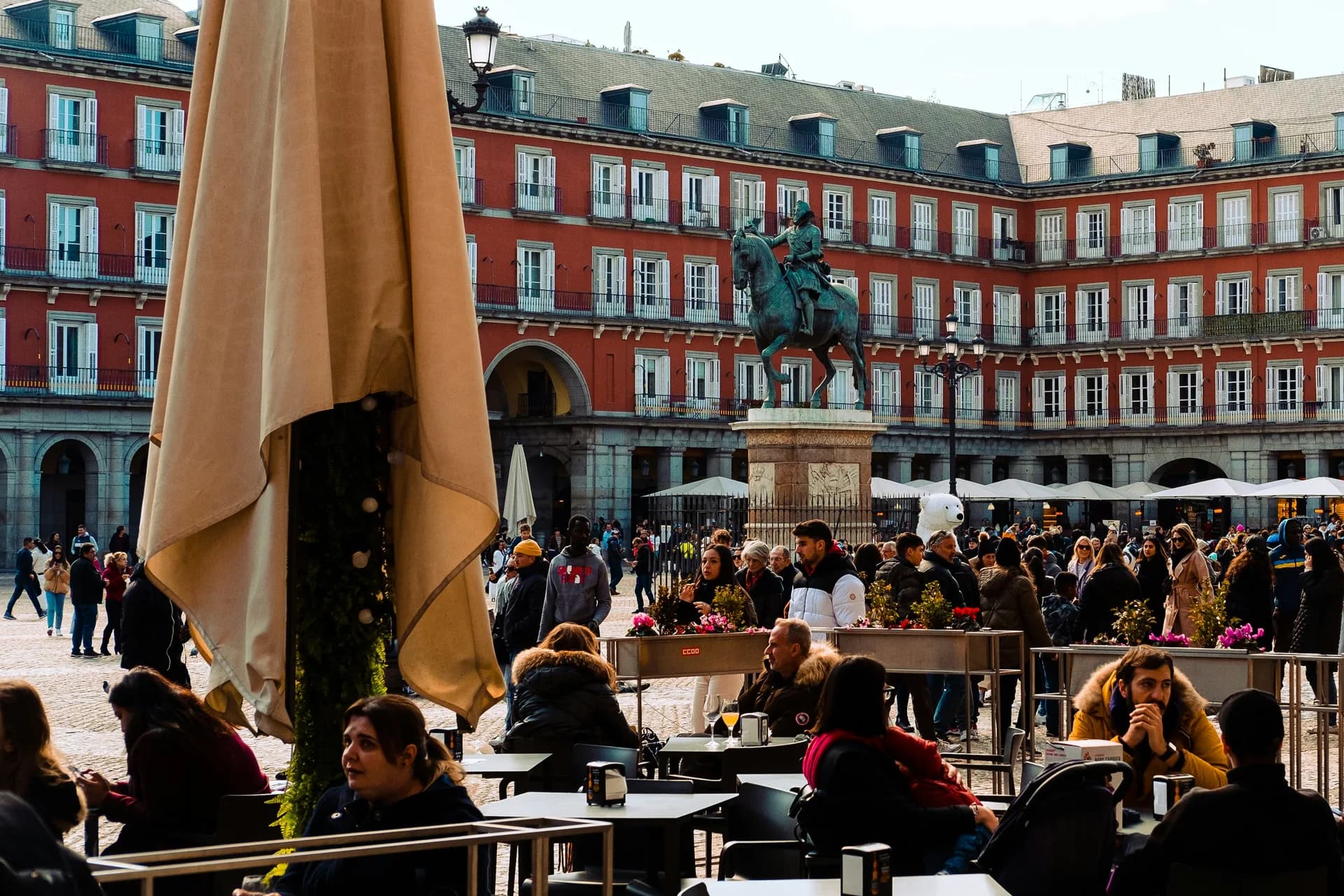
Credit: Deniz Demirci
Madrid is famous for its tapas, and you should eat plenty of them. Some of the city’s most memorable food, though, is the kind most travelers have never heard of before they land.
Cocido madrileño is one of those. It is Madrid’s traditional chickpea and meat stew, and eating it properly takes most of an afternoon.
What goes into cocido madrileño
The main ingredient is the chickpea, which the Carthaginians brought to the Iberian Peninsula. Around it go vegetables, potatoes, pork fatback, cured meats and the fresh meats, usually pork, stewing hen and beef, all cooked slowly in one pot.
The dish grew out of two medieval stews. One was olla podrida. The other was adafina, a Jewish stew left to simmer in a clay pot on Friday nights so it would be ready for the Sabbath. Cocido began as food for working people and later found its way to the Spanish court. By the turn of the twentieth century, Madrid thought of it as the capital’s own dish.
Lunch in three vuelcos
The way it is served is my favorite part. In Madrid, cocido usually comes to the table in three vuelcos, or turns. The word comes from tipping the stew out of the pot and into the serving dishes, and the order never changes.
The broth arrives first, as a soup with fine noodles. Next come the chickpeas, potatoes and vegetables. The meats come last, and by that third turn nobody will look twice if you go back for seconds. At La Daniela the turns even have names: sota, caballo and rey, the jack, the horse and the king.
You cannot fit a meal like that between two museums. Lunch becomes the event of the day, which is one of the things I love most about traveling through Spain. The meal gives you permission to slow down.
Where Madrid goes for cocido
Plenty of restaurants in the city serve it, and some of the old names are still the ones to know. Malacatín, a tavern in La Latina, opened its doors in 1895 and still makes its cocido to the recipe it started with. At La Bola, each cocido cooks slowly in its own clay pot over oak charcoal.
This is cold-weather food. It is at its best on a winter afternoon, when the idea of a second helping sounds entirely reasonable.
Madrid beyond the major sights
Madrid has the grand architecture, the plazas, the museums, the shopping and the late nights. See the ones that matter to you.
But the memories you bring home do not always come from the places everyone says you must see. Sometimes they are made around a table. Reserve a traditional restaurant that specializes in cocido, and give the whole afternoon to it.
Ivone’s travel advisor tip
Leave room for lunch.
When I design an itinerary, I do not believe every hour needs to be scheduled. In Spain especially, some of the best moments of a trip come when you slow down enough to enjoy everything that happens around the meal. It is the same advice I give anyone heading to Valencia for a long paella lunch.
Plan Madrid around what you love
Spanish food changes from one region to the next. A cocido lunch in Madrid has very little in common with an evening of pintxos in San Sebastián, and each one deserves its own day.
So tell me what interests you when you travel. Maybe museums are not your thing, but food is. Maybe you would rather explore a neighborhood, wander through a market and sit down to an incredible lunch. That is exactly why your itinerary should be designed around you.
Sources
Share this post

 Let’s Start Planning
Let’s Talk About
Your Next Trip
Every great trip starts with a conversation. Tell me what you’re imagining. No pressure. No commitment.