
A Taste of Valencia: Discovering Authentic Paella in Spain
A Taste of Valencia: Discovering Authentic Paella in Spain
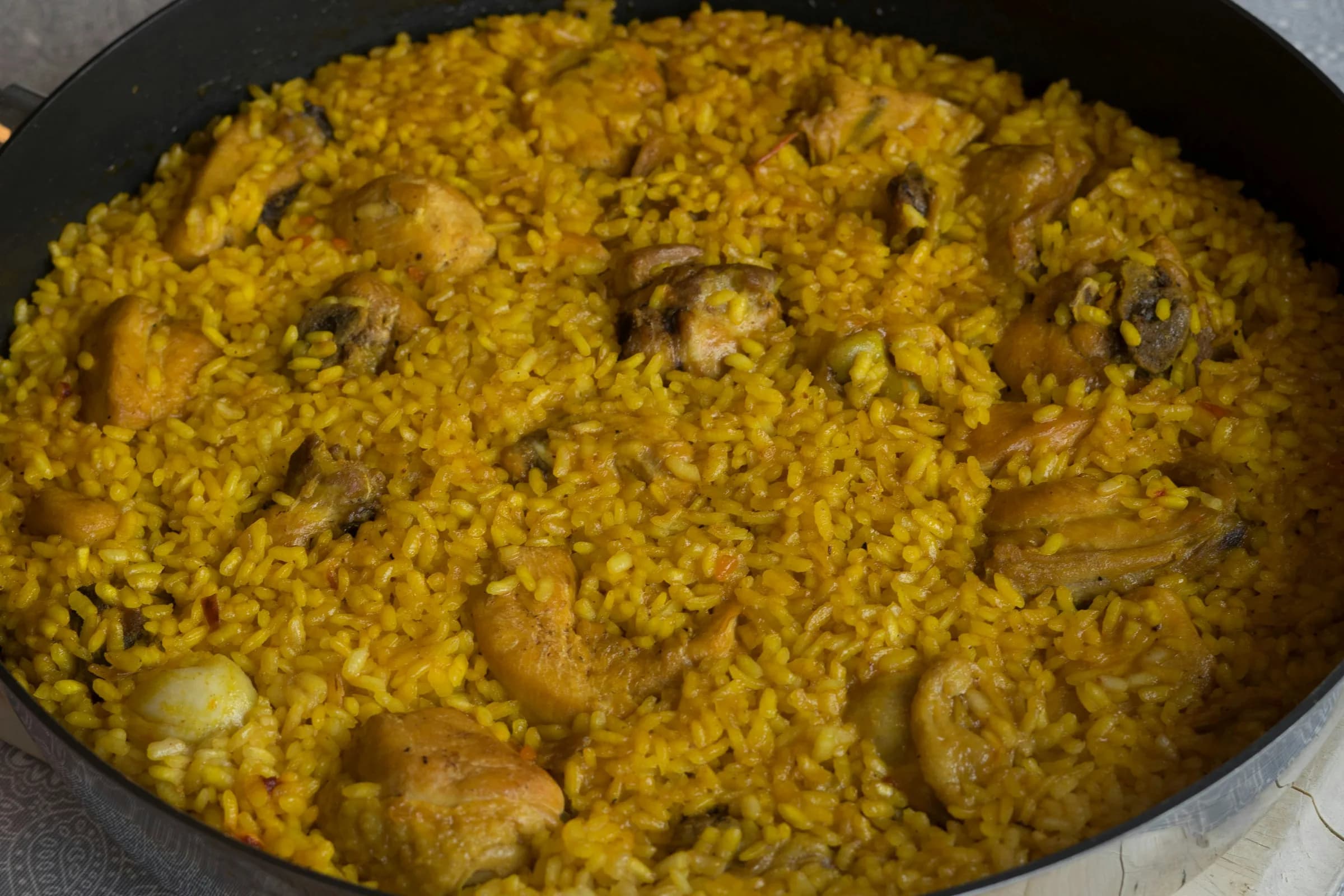
Credit: Pablo Arroyo
Some of my clients plan the trip around the meals. If that is you, Valencia belongs on your Spain itinerary.
Valencia sits on the Mediterranean, and it is where paella comes from. Paella valenciana is one dish with one recipe, and the city takes both seriously.
What actually goes in a paella valenciana
The version you have had at home probably contained shrimp. In Valencia that is a different dish under a different name, and the difference matters a good deal more there than it does here.
The traditional recipe runs on:
- Round rice carrying the Denominación de Origen for Valencian rice
- Chicken and rabbit
- Ferradura, the flat green bean, and garrofó, a large white butter bean
- Tomato, olive oil and saffron
Then there is the socarrat. When the rice at the base of the pan toasts and sticks against the metal, that is not a mistake anyone apologizes for. It is the most prized bite in the whole paella, and nobody at the table will be polite about who gets it.
The Albufera, where the rice grows
Just south of the city the land turns to water. L’Albufera is a freshwater lagoon ringed by rice paddies and protected as a natural park, and it is where the dish began in the sixteenth century. Farmworkers cooked rice over open fires with whatever the fields gave them, which is why the recipe calls for rabbit and beans rather than shellfish.
The rice still comes from there. Valencian rice grown around the Albufera carries its own Designation of Origin, and locals will tell you the paella tastes better for it.
Make lunch the day, not a break in it
Here is what I would rather do with your afternoon than book you a table downtown.
Spend the morning out in the rice country. Walk between the paddies and take a flat-bottomed boat across the lagoon. Then sit down outdoors to a paella cooked over wood and stay at that table for two hours.
Or cook it yourself, alongside someone who has made it a few thousand times and will tell you exactly what you are getting wrong. You will not be good at it by lunchtime. You will understand it, and that changes how you eat it for the rest of your life.
It is the same reason I send people out with the truffle dogs in Provence before they order truffle at dinner. Food makes more sense once you have stood in the place it comes from.
Ivone’s travel advisor tip
Do not rush lunch in Spain.
That is logistics advice as much as philosophy. The midday meal is a long institution there, and if you book a museum for three o’clock you will spend the whole meal watching the clock. Build the day around the table and put the museum in the morning.
Spain is not one cuisine
The rice country around Valencia has almost nothing in common with the pintxos counters of San Sebastián, and neither of them resembles Andalucía. Choosing a region is choosing how you will eat for a week.
So if food is how you travel, tell me at the start of planning rather than halfway through. It changes the shape of the whole itinerary: which cities we choose, and whether a city built on its restaurants like Lyon earns three nights instead of one.
Tell me how you want to eat in Spain, and I will build the trip around that. The market mornings, the cooking class, the restaurant two villages over that has never had a website. That part is mine to handle.
Sources
Share this post
 Let’s Start Planning
Let’s Talk About
Your Next Trip
Every great trip starts with a conversation. Tell me what you’re imagining. No pressure. No commitment.