

Is Your Passport Too Damaged to Travel? Check Before Your Trip
Is Your Passport Too Damaged to Travel? Check Before Your Trip
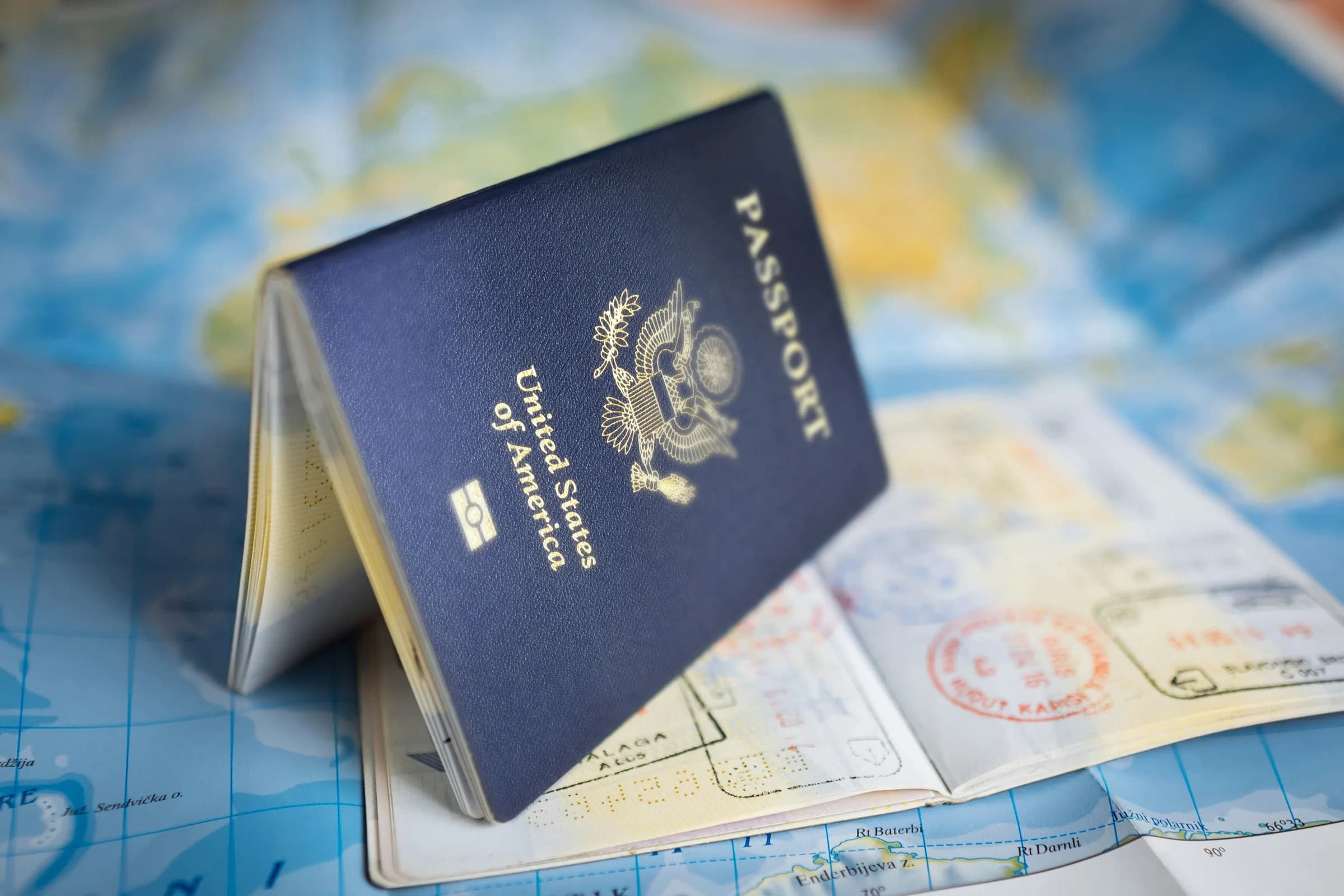
Credit: Global Residence Index
When you’re getting ready for an international trip, there’s one thing on your passport you probably already check: the expiration date.
There’s a second check that can matter just as much, and it’s easy to forget. Look at the condition of the passport itself.
A passport can have years left on it and still cause trouble if it’s been damaged. According to the U.S. Department of State, airlines may deny you boarding, or you could run into problems abroad, if your passport is damaged.
What the State Department counts as damage
The State Department lists these as passport damage:
- Water damage, including stains or mold
- A significant tear
- Unofficial markings on the bio page (the page with your personal information)
- A missing or torn visa page
- A hole punch, or other major damage
Its glossary doesn’t leave much room for interpretation. Passports with damage "cannot be used for travel and need to be replaced."
Water damage is the one that catches people off guard. A water bottle that leaks in your bag, a drink spilled on the tray table, getting caught in a downpour on the way to dinner. Any of those can do it.
Normal wear and tear is fine
Your passport doesn’t need to look new. The State Department treats real damage differently from normal wear and tear, which includes:
- The bend a passport picks up from riding in your pocket
- Visa pages that fan out from being opened and closed over and over
- Slight fraying at the edges
A passport with normal wear and tear can still be used for travel, and you don’t need to replace it.
Check it when you book, not when you pack
My biggest piece of advice is simple. Take your passport out when you book an international trip, not the night before you leave.
Look at the expiration date, then page through the whole book. You’re looking for significant tears, stains, mold, missing pages, water damage, or any writing that shouldn’t be there.
While you have it out, check what your destination requires. Some countries want your passport to be valid for at least six months beyond the dates of your trip, and some want two to four blank visa or stamp pages. Some airlines won’t let you board if you fall short on either one.
If your children are traveling with you, check their passports too. A passport issued to a child under 16 is only valid for five years, and children’s passports run on a different schedule than yours.
Doing this early gives you weeks to deal with a problem, instead of finding out at the check-in counter.
If your passport is damaged
If your passport has more than normal wear and tear, don’t assume it’s fine just because you can still read it.
A damaged passport can’t go through the usual process to renew your passport online or by mail. The State Department asks you to apply in person for a new one, and to bring:
- The damaged passport
- A signed statement explaining how it was damaged
- Form DS-11, with your supporting documents, a passport photo, and the fees
If your trip is coming up quickly, look at the State Department’s options to get your passport fast. Don’t wait and hope the airline accepts the damaged one.
How to protect your passport
Your passport is one of the most important things you’ll carry abroad. The State Department recommends a few habits to keep it in good shape:
- Store it in a cool, dry place, away from the bathroom or anywhere else that gets damp
- If you live somewhere humid, check it regularly and use desiccant packs to keep mold away
- Keep it out of the sun and away from heat sources like vents and radiators
- Store it where pets and children can’t get to it
- Skip the novelty or souvenir stamps, which aren’t allowed and can cause problems when you travel
On the road, I keep my passport away from anything that could leak. Don’t put it in the same purse or backpack pocket as a water bottle or your toiletries, and keep it somewhere secure where the pages won’t get torn.
My passport checklist
When you book an international trip, check:
- The expiration date
- Your destination’s validity requirements
- Blank pages
- Water damage or stains
- Tears or missing pages
- Unofficial writing or markings
- Its overall condition
Then check it again before you leave.
The date printed inside is only half of it. Five minutes with your passport, a few weeks or months before you go, could save you a very stressful surprise at the airport. And if you’d like someone watching details like this for your next trip, I’d be glad to help.
Sources
Share this post

 Let’s Start Planning
Let’s Talk About
Your Next Trip
Every great trip starts with a conversation. Tell me what you’re imagining. No pressure. No commitment.