

American Airlines Is Bringing Starlink Wi-Fi to More Than 500 Aircraft
American Airlines Is Bringing Starlink Wi-Fi to More Than 500 Aircraft
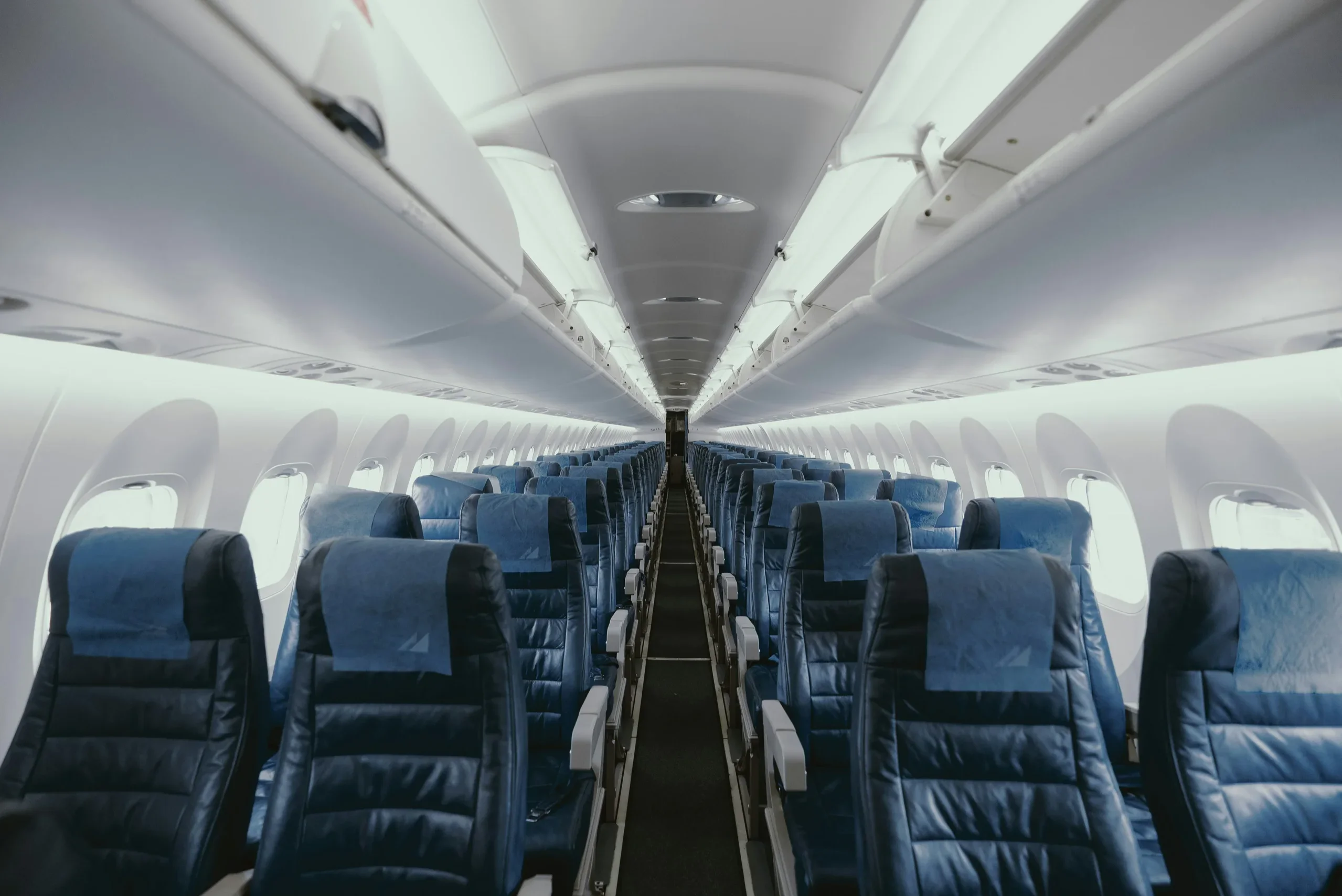
Credit: JC Gellidon
American Airlines is bringing SpaceX’s Starlink Wi-Fi to more than 500 narrowbody aircraft starting in the first quarter of 2027. It’s a sweeping upgrade to the airline’s mainline domestic fleet, and it puts what the carrier calls “the fastest Wi-Fi in the sky” on the planes most travelers fly day to day.
The rollout covers the Airbus A321neo and the upcoming A321XLR. For passengers, it’s a real change in what to expect when you connect at 35,000 feet.
What’s being installed
American is bringing Starlink to its narrowbody Airbus fleet — the A321neo and the upcoming A321XLR — covering more than 500 aircraft over the rollout. Installations begin in Q1 2027, and once complete, the upgrade will power connectivity across American’s domestic and short-haul international routes.
The technology behind it is Starlink’s Aero Terminal, which can support speeds of up to 1 Gbps per antenna. That is a major bump in onboard bandwidth compared with the legacy in-flight Wi-Fi systems still common on most carriers today.
Why Starlink is different from legacy in-flight Wi-Fi
Starlink’s satellites sit in low Earth orbit, much closer to the ground than the geostationary satellites traditional in-flight Wi-Fi has relied on. That proximity cuts latency, the lag you feel on a video call or a live document, and lets the system push higher sustained speeds across an entire cabin.
American’s Chief Customer Officer, Heather Garboden, put the choice in plain terms: “Starlink’s high speed and low latency make the Wi-Fi more reliable, which matters when customers are trying to load pages, join real-time collaboration tools or stay connected consistently throughout a flight.”
What this means for travelers
In practical terms, here is what the upgrade should mean once installations begin:
- Streaming a movie or show without buffering, the way you would at home.
- Smoother video calls on Zoom, Teams, or FaceTime, without the frozen frames and audio dropouts that have made working in the air feel like a workaround.
- Faster page loads and downloads, including syncing email and large attachments.
- Real-time messaging that actually behaves in real time, which matters if you are coordinating with family on the ground, an assistant in the office, or a driver waiting at arrivals.
How this fits with American’s broader Wi-Fi push
This announcement builds on a broader shift across American’s onboard product. Earlier this year, the airline launched free high-speed Wi-Fi for AAdvantage members, sponsored by AT&T. The rollout began across the narrowbody and dual-class regional fleets in January and is expanding to nearly the entire fleet through 2026. Together with Starlink, that signals where American expects in-flight connectivity to land: a baseline expectation, not a premium add-on.
American also joins a growing list of major airlines that have selected Starlink for their next-generation in-flight Wi-Fi, a clear sign that the technology has crossed from novelty into industry standard.
If you are flying American on a domestic narrowbody in 2027 or beyond, expect Wi-Fi that keeps up with the way you use the internet on the ground. When clients ask whether they can really work on the flight, the answer should finally stop coming with an asterisk.
Sources
Share this post

 Let’s Start Planning
Let’s Talk About
Your Next Trip
Every great trip starts with a conversation. Tell me what you’re imagining. No pressure. No commitment.